The Importance of CCTV Drainage Surveys
CCTV Drainage Surveys have become an essential tool for maintaining effective drainage systems in urban environments, especially in dense metropolitan areas like London and Surrey. With their ability to inspect underground infrastructure without the need for excavation, these surveys provide invaluable insights for homeowners, architects, and infrastructure managers alike. By deploying high-resolution cameras through the drainage network, surveyors can accurately diagnose issues and prevent costly repairs down the line.
When exploring options, CCTV Drainage Survey Surrey offers comprehensive insights into drainage health and maintenance strategies, essential for both residential and commercial properties.
Understanding the Need for Drainage Inspections
Municipalities and property owners are increasingly recognising the necessity of regular drainage inspections. Many drainage systems, particularly in older urban areas, may not have comprehensive records detailing their condition or layout. This lack of information can lead to unexpected issues, including blockages and structural failures. A proactive approach through CCTV surveys can help in identifying these problems before they escalate.
Common Problems Addressed by CCTV Surveys
CCTV drainage surveys can identify a variety of issues, including:
- Blocked drains due to debris or tree roots
- Cracked or collapsed pipes
- Poor drainage flow caused by misalignment
- Corrosion or deterioration of pipe materials
By detecting these problems early, property owners can implement corrective measures promptly, avoiding more significant and costly repairs.
Benefits for Homeowners and Businesses
The advantages of CCTV drainage surveys extend beyond mere inspection. For homeowners, these surveys can reveal hidden issues that may affect property value or living conditions. For businesses, maintaining a clear drainage system ensures operational efficiency and reduces liability risks related to flooding or health hazards from sewage backups. Furthermore, having detailed reports can aid in negotiations during property transactions or renovations.
CCTV Drainage Survey Techniques
Advanced Equipment Used in Surveys
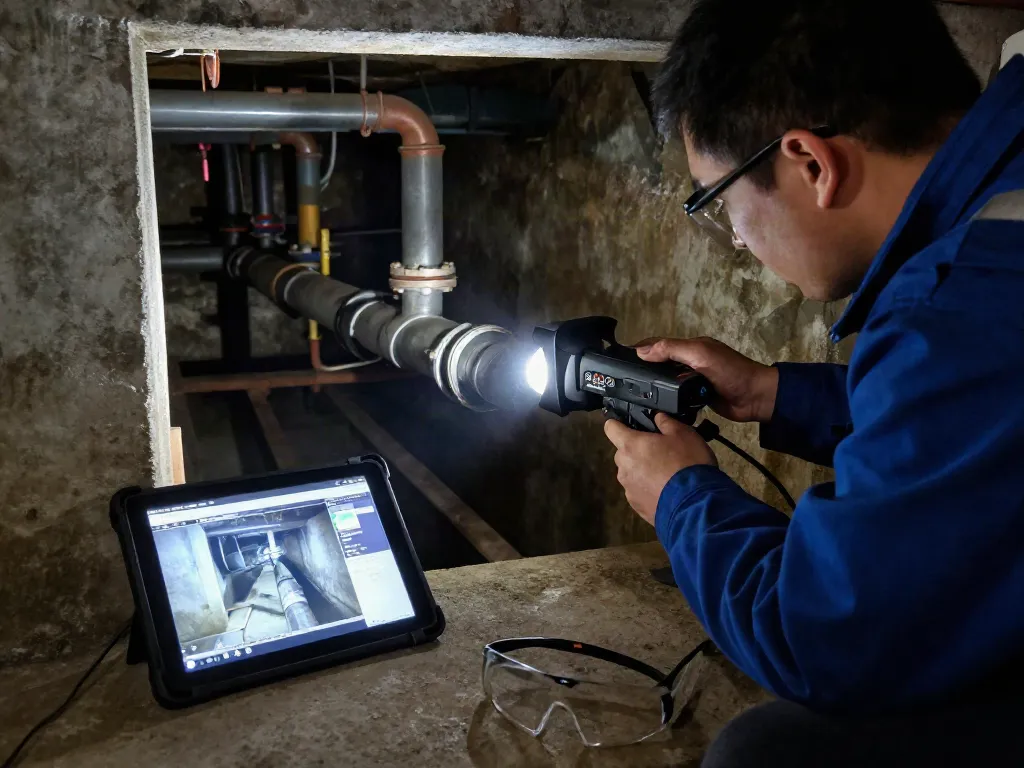
CCTV drainage surveys employ advanced equipment designed for flexibility and precision. The MiniCam Solo Pro Plus is a popular choice for its ability to navigate through narrow pipes and provide real-time footage. Additionally, Ground Penetrating Radar (GPR) technology may be utilised to locate underground utilities that could interfere with drainage works.
Process Overview: From Inspection to Reporting
The typical CCTV drainage survey process includes:
- Initial site assessment to determine potential issues
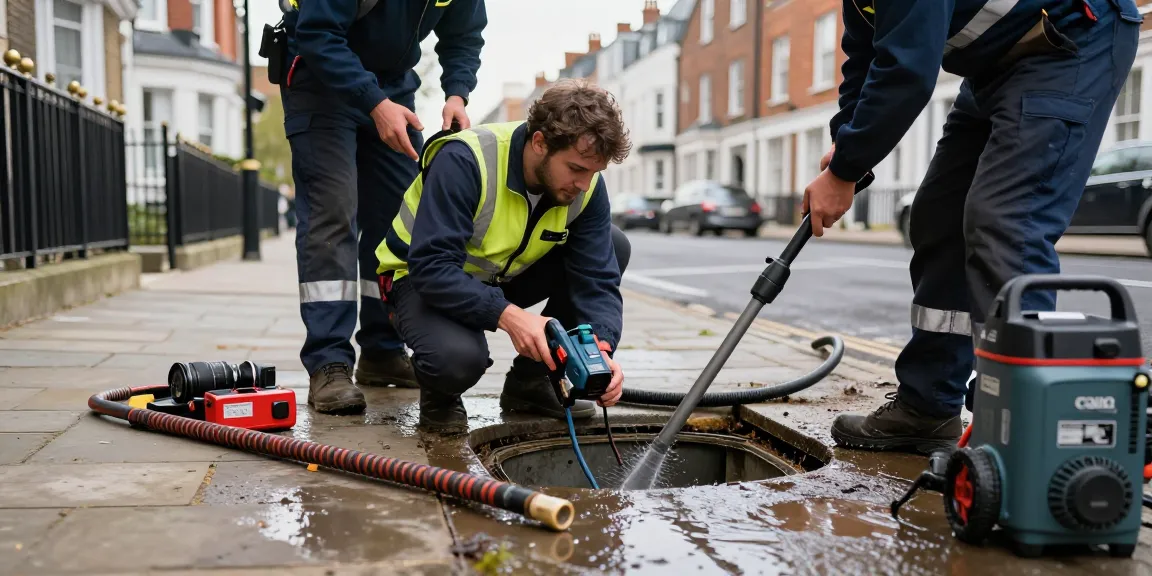
- Insertion of the CCTV camera into the drainage system
- Live streaming and recording of footage for analysis
- Compilation of findings into a comprehensive report using software like WinCan
This meticulous process ensures that all potential issues are thoroughly documented and can be addressed proactively.
WinCan Software's Role in Reporting
WinCan is an industry-standard software that plays a critical role in the reporting phase of a CCTV drainage survey. It allows surveyors to create detailed reports that include:
- Visual footage of the drainage system
- Condition grading of pipe sections
- Recommendations for repairs or maintenance
These reports provide essential information for property owners and contractors, ensuring that any decisions made regarding maintenance or repairs are informed and strategic.
Choosing the Right Drainage Surveyors in Surrey
Key Qualifications and Certifications
When selecting a drainage surveying company, it is vital to consider their qualifications. Look for surveyors who are accredited by relevant industry bodies, such as the National Association of Drainage Contractors (NADC) and possess certifications in confined space working, which is essential for safety during underground inspections.
How to Evaluate Potential Surveying Companies
To select a reliable drainage surveyor, consider the following criteria:
- Experience in the industry and specific types of surveys
- Customer reviews and testimonials
- Availability of advanced equipment and technology
Conducting due diligence will ensure that you choose a competent surveying partner who can deliver high-quality results.
Customer Testimonials and Case Studies
One of the best ways to gauge a company's reliability and quality of service is to look at customer testimonials and case studies. These provide insight into the types of projects completed and the level of satisfaction experienced by previous clients. Be sure to ask for references or case studies when evaluating potential drainage surveyors.
Cost Factors and Considerations
Average Pricing for CCTV Drainage Surveys
The cost of CCTV drainage surveys can vary significantly based on several factors, including the complexity of the drainage system, the size of the property, and the specific services requested. On average, homeowners might expect to pay between £200 to £400 for a standard survey, but costs can increase for more complicated setups.
Understanding Pricing Structures and Packages
Many surveying companies offer different pricing structures, including flat fees for specific services or hourly rates. It's essential to understand what is included in each package and whether additional services, such as detailed reporting or CAD drawings, incur extra costs. Always clarify these details before commencing the survey.
Value vs. Cost: Making an Informed Decision
While cost is an important consideration, the value that a thorough CCTV drainage survey can provide should not be underestimated. Investing in a comprehensive survey can save homeowners and businesses from significant future expenses related to drainage repairs and maintenance. Therefore, prioritising quality and reliability over a lower price can often be the smarter choice.
Future Trends in CCTV Drainage Surveys
Technological Advancements to Watch
As technology continues to evolve, several trends are shaping the future of CCTV drainage surveys. Advancements in camera resolutions, remote sensing technology, and AI-assisted data analysis are poised to enhance the accuracy and efficiency of inspections. These innovations will allow surveyors to provide more detailed insights and quicker turnaround times for reports.
Predictions for the Drainage Industry in 2026
Looking ahead, the drainage industry is likely to see greater integration of smart technology. IoT devices may become commonplace, enabling real-time monitoring of drainage systems and alerting property owners to potential issues before they escalate. This proactive approach could significantly reduce the incidence of drainage problems and improve overall system reliability.
Incorporating Sustainability in Drainage Solutions
As environmental considerations become more prominent, drainage solutions will increasingly incorporate sustainable practices. This includes the use of eco-friendly materials in drain construction and maintenance, as well as implementing systems designed to manage stormwater and prevent pollution runoff.
What are the typical costs of a CCTV drain survey?
The typical costs for a CCTV drain survey can range from £200 to £400, depending on the specifics of the job, including length and complexity of the drainage system.
What issues can a CCTV drainage survey identify?
CCTV drainage surveys can identify issues such as blockages, leaks, structural damage, and misalignment of pipes, which can help prevent further problems down the line.
How long does a CCTV drainage survey take to complete?
The duration of a CCTV drainage survey typically varies from one to three hours, based on the complexity of the drainage system and the number of areas being inspected.
Is a CCTV survey necessary for build over agreements?
A CCTV survey is often required for build over agreements to assess the condition of existing sewer systems and ensure that proposed structures do not compromise their integrity.
What qualifications should drainage surveyors have?
Drainage surveyors should hold relevant qualifications, including certifications in drainage surveying, health and safety training, and ideally belong to recognised industry bodies.