
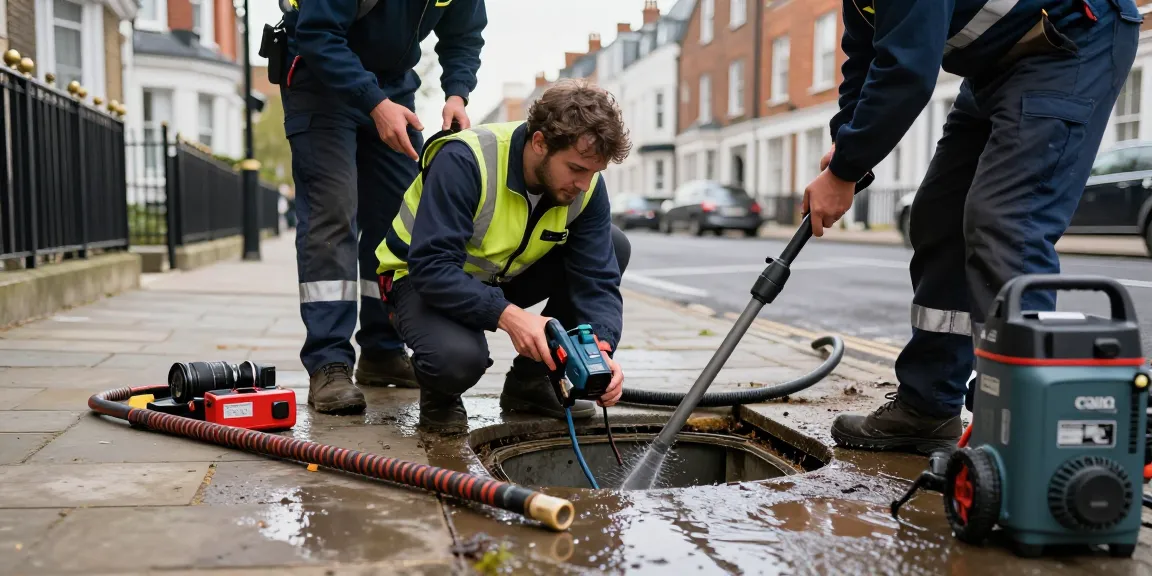
Why Blocked Drain Repairs London Is the Best Choice for Homeowners in 2026
Understanding Blocked Drains and Their Impact
Blocked drains are not just a nuisance; they can lead to significant damages if not addressed promptly. In London, where the plumbing infrastructure can be complicated, homeowners often face issues with blocked drains. Recognizing the common signs and understanding the causes can help mitigate the issue before it escalates. With services like blocked drain repairs london, you can ensure that your drainage system is managed effectively.
What Causes Blocked Drains?
Blocked drains can arise from a variety of issues. Tree roots, grease buildup, and foreign objects are among the leading causes. Grease and fats commonly accumulate in kitchen sinks, while bathrooms often suffer from hair and soap scum clogging the pipes. Additionally, old or damaged pipes can also lead to blockages due to their inability to handle waste effectively. Understanding these causes is crucial for preventing future blockages.
Common Symptoms of Blocked Drains
Identifying blocked drains early can save homeowners both time and money. Common symptoms include:
- Slow draining sinks, toilets, or bathtubs
- Unpleasant smells coming from drains
- Gurgling sounds in the pipes
- Water pooling around drains
If you notice any of these signs, it’s important to act quickly to avoid more serious issues, such as flooding or sewer backups.
Consequences of Ignoring Drain Issues
Failing to address blocked drains can lead to severe consequences. Not only can it cause structural damage to your home due to water accumulation, but it may also result in expensive repairs and a decrease in property value. Moreover, persistent blockages can lead to health hazards as stagnant water can become a breeding ground for bacteria and pests.
Best Practices for Blocked Drain Repairs
When dealing with blocked drains, a systematic approach can make all the difference. Understanding what steps to take can empower homeowners to tackle minor issues before they escalate into significant problems.
How to Assess Your Drain Problem
Before attempting any repairs, it’s important to assess the situation. This can include:
- Checking for visible signs of blockage in sinks and toilets
- Listening for unusual noises in the plumbing system
- Observing the rate at which water drains
By performing a thorough assessment, you can better understand the scope of the problem and determine the best course of action.
DIY vs. Professional Repairs: What You Need to Know
Many homeowners contemplate whether to tackle drain problems themselves or enlist professional help. Simple blockages, such as those caused by hair or soap residue, can often be resolved with DIY methods. However, more complex issues—such as root intrusions or pipe fractures—require the expertise of professionals. Weigh your options carefully, considering factors like the severity of the blockage and your comfort level with plumbing tasks.
Essential Tools for Effective Drain Cleaning
If you decide to handle a blockage on your own, having the right tools is essential. Some of the basic tools include:
- Plumbing snake for removing deep blockages
- Plunger for minor clogs
- Pipe wrenches for loosening blocked pipes
Investing in these tools can make routine maintenance easier, helping to keep your drains clear.
The Importance of Regular Drain Maintenance
Proactively maintaining your drains is crucial for avoiding future blockages. Regular cleaning not only extends the life of your plumbing system but also ensures that any small issues are caught before they develop into major problems.
Preventive Measures to Avoid Blockages
Several preventive measures can help avoid blocked drains:
- Use drain covers to catch hair and debris
- Avoid pouring grease down kitchen sinks
- Regularly flush drains with hot water to prevent buildup
By implementing these practices, you can significantly reduce the risk of blockages.
How Often Should You Clean Your Drains?
It’s recommended to inspect and clean your drains at least once a year. However, your schedule may vary based on several factors, including:
- The age of your plumbing system
- The amount of usage
- Specific local conditions, such as tree roots in the area
Regular maintenance inspections can help identify potential problems before they become severe.
Signs You Need Scheduled Maintenance
Certain indicators can alert homeowners that it’s time for scheduled maintenance, including:
- Frequent blockages
- Unpleasant odors from the drains
- Slow drainage in multiple fixtures
Catching these signs early can prevent more complex and costly repairs.
Choosing the Right Drainage Service in London
Selecting a professional drainage service is a vital step in ensuring your plumbing issues are effectively managed. With numerous options available, it’s important to choose wisely to ensure quality service.
What to Look for in a Professional Service
When searching for a reliable drainage service, consider the following factors:
- Experience and qualifications of the technicians
- Customer reviews and feedback
- Availability of emergency services
A reputable service should be transparent about their processes and pricing, ensuring you get the best value for your investment.
Reviews and Testimonials: Why They Matter
Reviews and testimonials provide insights into the quality of service offered. Positive feedback from previous customers is a strong indicator of reliability and expertise. Conversely, multiple negative reviews can be a red flag.
Questions to Ask Your Drain Repair Experts
Before hiring a drainage service, don’t hesitate to ask questions like:
- What methods do you use for drain cleaning?
- Can you provide references from past clients?
- What are your emergency service protocols?
These questions can help you assess and pick the right partner for your drainage needs.
Future Trends in Drainage and Plumbing Services
As technology continues to advance, the drainage and plumbing industry is evolving as well. Staying informed on these trends can help homeowners prepare for the future.
Emerging Technologies in Drain Cleaning
New technologies, such as drain cameras and robotic cleaning devices, are making drain inspections and maintenance more efficient than ever. These innovations allow for precise diagnosis and targeted repairs, minimizing disruption to your home.
Eco-friendly Practices in Drain Repairs
As sustainability becomes a priority, many drainage services are adopting eco-friendly practices. This includes using environmentally safe chemicals for cleaning and repairing drains, reducing carbon footprints while effectively managing plumbing issues.
What Homeowners Can Expect by 2026
By 2026, homeowners can expect further advancements in smart home technologies that integrate plumbing systems. This may include leak detection systems that notify homeowners of problems instantly, allowing for rapid response and minimizing damage.
What is the most common cause of blocked drains?
The most common cause of blocked drains is often grease buildup, which accumulates over time. However, other factors such as tree roots, hair, and foreign objects can also contribute significantly to drain blockages.
How can I tell if I need professional help?
If you experience recurring blockages, slow drainage across multiple fixtures, or persistent odors, it’s time to call in a professional. These signs often indicate a more serious underlying issue that requires expert intervention.
What are the costs associated with blocked drain repairs?
The costs for blocked drain repairs can vary significantly based on the severity of the blockage, the method used for repair, and the specific drainage service provider. Generally, you can expect to pay anywhere from £70 to several hundred pounds.
How frequently should I have my drains inspected?
A routine inspection of your drains at least once a year is advisable. However, if you live in an area prone to drainage issues or have an older plumbing system, more frequent inspections may be prudent.
Are there any DIY solutions for minor blockages?
Yes, for minor blockages, DIY solutions can be effective. Using a plunger, pouring boiling water down the drain, or using a mixture of baking soda and vinegar can sometimes clear minor clogs effectively.


